
Key Takeaways Many patients feel worse after losing weight on Ozempic due to muscle loss, nutrient depletions, and hormonal disruptions. GLP-1 medications suppress appetite effectively but do not manage muscle mass, nutrients, or metabolism,...
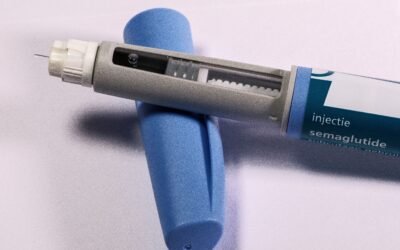
Key Takeaways Many patients feel worse after losing weight on Ozempic due to muscle loss, nutrient depletions, and hormonal disruptions. GLP-1 medications suppress appetite effectively but do not manage muscle mass, nutrients, or metabolism,...

Key Takeaways Stopping GLP-1 medications like Ozempic often leads to rapid weight regain, as clinical trials have shown that most patients regain a significant portion of lost weight once they discontinue use. This weight regain occurs due to...

Key Takeaways Rapid weight loss from GLP-1 medications like Ozempic often leads to hair loss, a condition known as telogen effluvium. Research shows a significant link between higher doses of semaglutide and increased hair shedding. The body...

Key Takeaways Fatigue related to GLP-1 medications like Ozempic and Wegovy is common but often overlooked in clinical trials. Patients experience deeper caloric deficits and muscle loss, leading to increased exhaustion without proper monitoring....

Key Takeaways After stopping GLP-1, patients lack a clear transition plan, leading to significant weight regain. Weight regain often consists of fat, not muscle, increasing the risk of sarcopenic obesity. Five key maintenance pillars are necessary:...
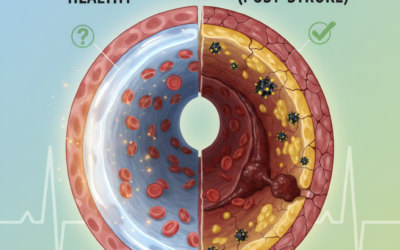
Introduction Let me be blunt: your doctor probably told you that you have "high cholesterol" or "high blood pressure." Maybe they handed you a statin and a beta-blocker and sent you on your way. But here's what they didn't tell you: the real...
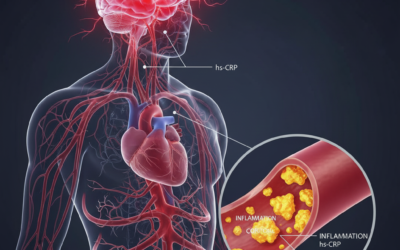
Introduction Let me tell you something most doctors won't: the fear you're carrying right now—that constant dread of another stroke—isn't just in your head. It's in your blood vessels, your hormones, and your nervous system. And yes, it can...

Introduction Here's what they don't tell you in the hospital: Your stroke didn't just "happen." Yes, they'll stabilize you. They'll run the CT scan, maybe give you tPA if you're lucky enough to get there in time, and send you home with a fistful of...

Modern life keeps many of us in a constant state of tension. Our shoulders lift, our jaw tightens, and our mind rarely gets quiet. Our new massage option, the Unwind Reset, is for moments like this. This is a soft-touch, ASMR-inspired session...
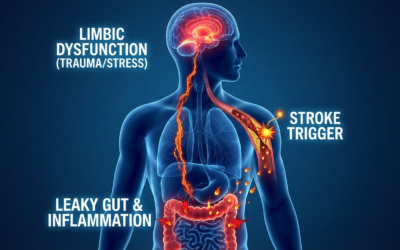
Introduction: The Question Nobody's Asking Let me be blunt: if you've had a stroke or you're watching someone you love recover from one, you've probably been told it was "bad cholesterol," "high blood pressure," or "just getting older." You've been...

Stop Waiting for Your Brain to "Just Heal" Let me be blunt: The "wait and see" approach to stroke recovery is lazy medicine. If you’ve had a stroke, you’ve likely been told that the first six months are your "window" for recovery and that after...

Here's the Truth: Why Your Stroke Risk Isn't Gone Let me be blunt. If you've had a stroke, you are now walking around with a giant target on your back. You've been through the absolute terror, the loss of function, and the brutal recovery. The last...
Let me be blunt: If you’ve been told that your brain healing has "plateaued" six months after a stroke, you have been lied to. I hear this in my office every single week. A patient comes in, desperate, because their neurologist told them, "This is...
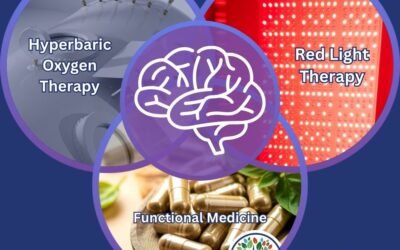
Estimated reading time: 16 minutes Why I Put Nearly Every Stroke Patient in My Hyperbaric Chamber I'm going to share a perspective that may challenge conventional neurology.: the standard "wait and see" approach to stroke recovery is lazy medicine....
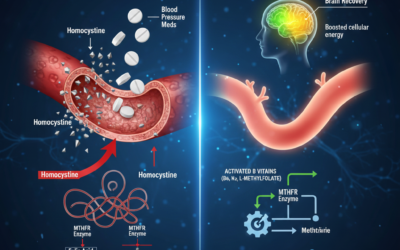
The Hidden Risk Standard Medicine Misses Let me tell you the truth about stroke prevention: Standard care is failing you. If all your doctor does is check your blood pressure and cholesterol, they are missing the single most corrosive, silent risk...
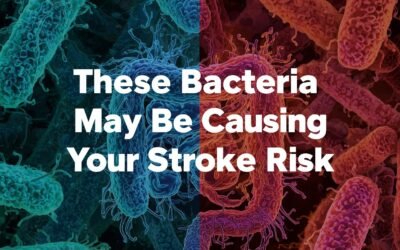
TMAO is a Hidden Stroke Risk Factor Let me tell you something that's going to change how you think about stroke risk forever. Right now, as you're reading this, bacteria living in your gut are producing a chemical compound that's quietly damaging...

I am going to tell you something that will shock you: Your cholesterol numbers are lying to you. You’ve been told for years that your LDL is the "bad cholesterol." You’ve followed the rules, maybe even taken medication, and your doctor high-fives...
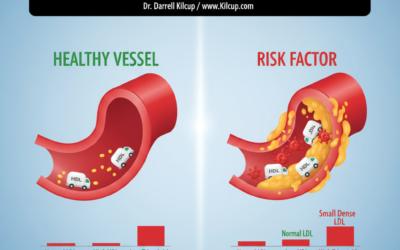
Here is a scenario I see in my clinic constantly, and it makes my blood boil. You go to your doctor. They run a standard cholesterol panel. They look at your LDL (the so-called "bad" cholesterol), see that it’s within the "normal" range—maybe...
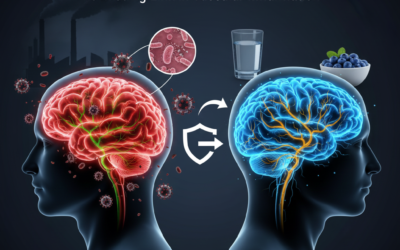
Let me be blunt: If you think your stroke was just a matter of "bad luck" or "aging," you are missing half the story. We are told that high blood pressure, cholesterol, and genetics are the unholy trinity of stroke risk. And sure, those things...
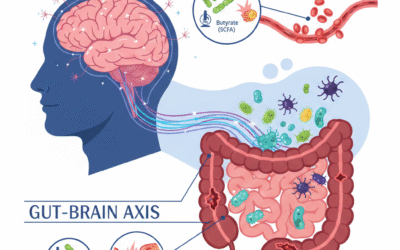
Here's What You Need to Know Right Now | Gut Health and Stroke Risk Your gut controls inflammation - and inflammation causes strokes Leaky gut lets toxins into your blood - damaging your arteries and brain Bad gut bacteria make stroke-causing...